


Thailand Tourism Property Rebounds: Foreign Investment Surge Reshapes the Market
June/2026
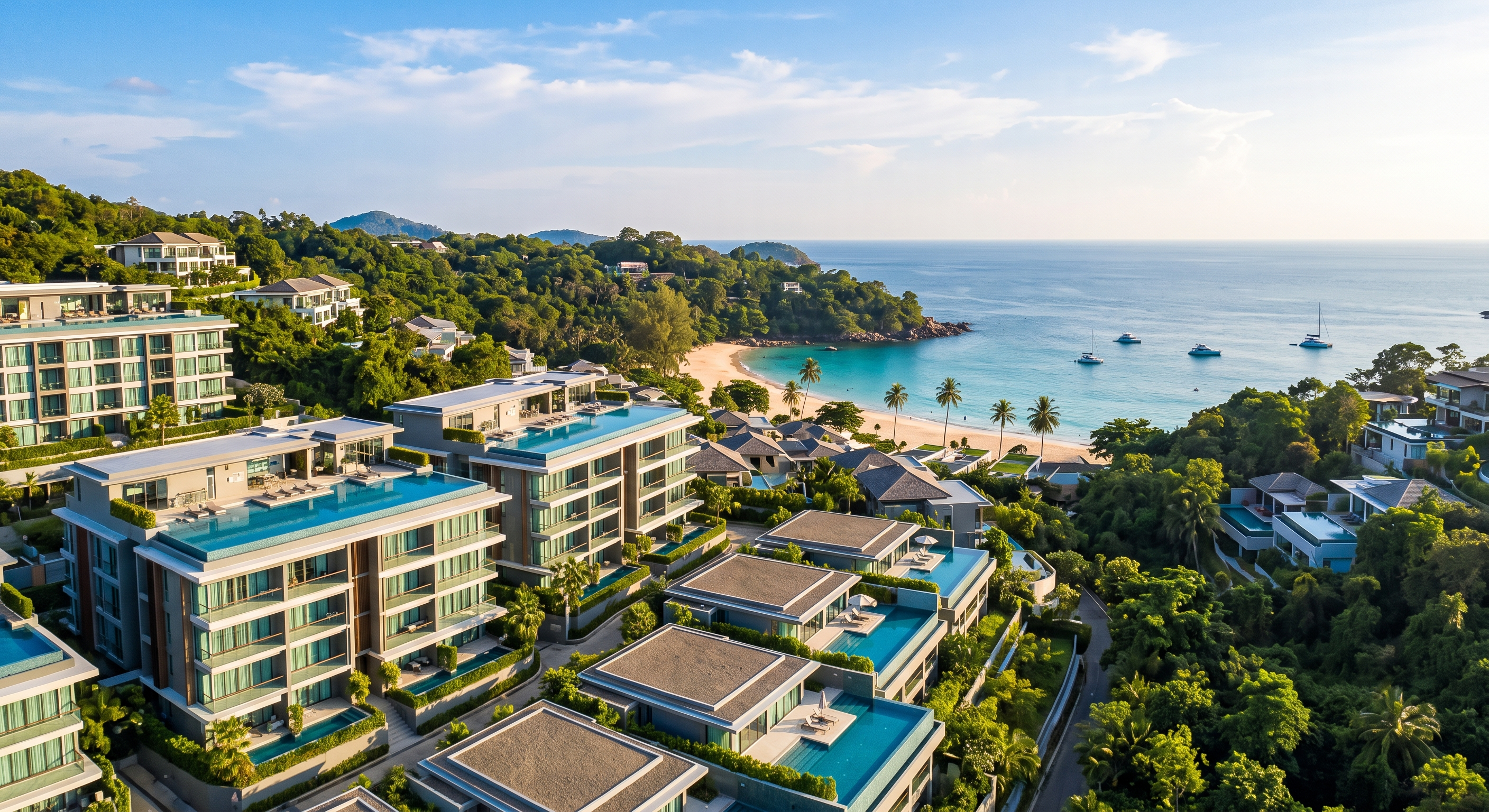
The Return of Foreign Buyers: Who's Coming and Why
After years of pandemic-era silence, foreign buyers are back in Thailand's property market — and they're spending. Chinese nationals remain the dominant force, drawn by Thailand's relatively affordable luxury pricing, long-term visa programs, and lifestyle appeal. Phuket leads demand, followed by Pattaya and Chiang Mai. Agents report inquiry volumes up 30–40% year-on-year in key tourist zones. Beyond China, buyers from Russia, Europe, and Southeast Asia are also active. Thailand's Elite Visa and LTR (Long-Term Resident) Visa have added fuel, giving foreign buyers legal pathways to extended stays tied to property ownership. The combination of lifestyle, investment yield, and visa incentives makes Thailand uniquely compelling in Southeast Asia right now.
Phuket & Chiang Mai: Two Markets, Two Stories
Phuket is booming. Luxury villa and poolside condo projects are selling fast, with average prices in prime areas like Laguna and Patong rising 15–20% since 2022. Short-term rental yields of 6–9% annually attract investors looking for both lifestyle and return. Chiang Mai tells a different story — quieter, more niche, but growing steadily. Digital nomads, retirees, and wellness-focused buyers are driving low-rise condo and boutique villa demand. Prices remain accessible compared to Bangkok or Phuket, making it an attractive entry point. Both markets share one common thread: foreign demand is outpacing local purchasing power, pushing developers to design and price specifically for international buyers rather than relying on domestic absorption.
The China Factor: Opportunity or Overdependence?
Chinese investors dominate headlines — and transaction volumes. In Phuket, Chinese buyers account for an estimated 30–35% of all foreign property purchases. They prefer branded residences, managed rental pools, and freehold condominiums. Developers are adapting: Mandarin signage, WeChat payment integration, and China-based sales offices are now standard for top-tier projects. However, industry analysts urge caution. Overdependence on a single nationality creates vulnerability — as seen when zero-COVID policies shut off Chinese tourism overnight. Smart developers are diversifying their international marketing across Middle Eastern, Indian, and European buyer pools to build more resilient demand pipelines. The China market is a powerful engine, but not the only one Thailand should rely on.
What This Means for Investors: Key Takeaways
Thailand's tourism property segment is one of the most dynamic investment plays in Southeast Asia right now. Key signals for investors: rental yields in Phuket remain strong, new supply is being absorbed faster than expected, and government visa reforms are sustaining long-term foreign interest. However, buyers should conduct due diligence on developer track records, leasehold versus freehold structures, and rental management credibility. Off-plan projects in prime tourist zones carry both high upside and execution risk. For those watching from abroad, the window of competitive pricing may narrow as demand continues to rise. Acting on verified projects with strong rental histories and licensed operators offers the clearest risk-adjusted opportunity in today's Thai property landscape.