


Thai Real Estate Rebounds: Foreign Capital Flows Back In
June/2026
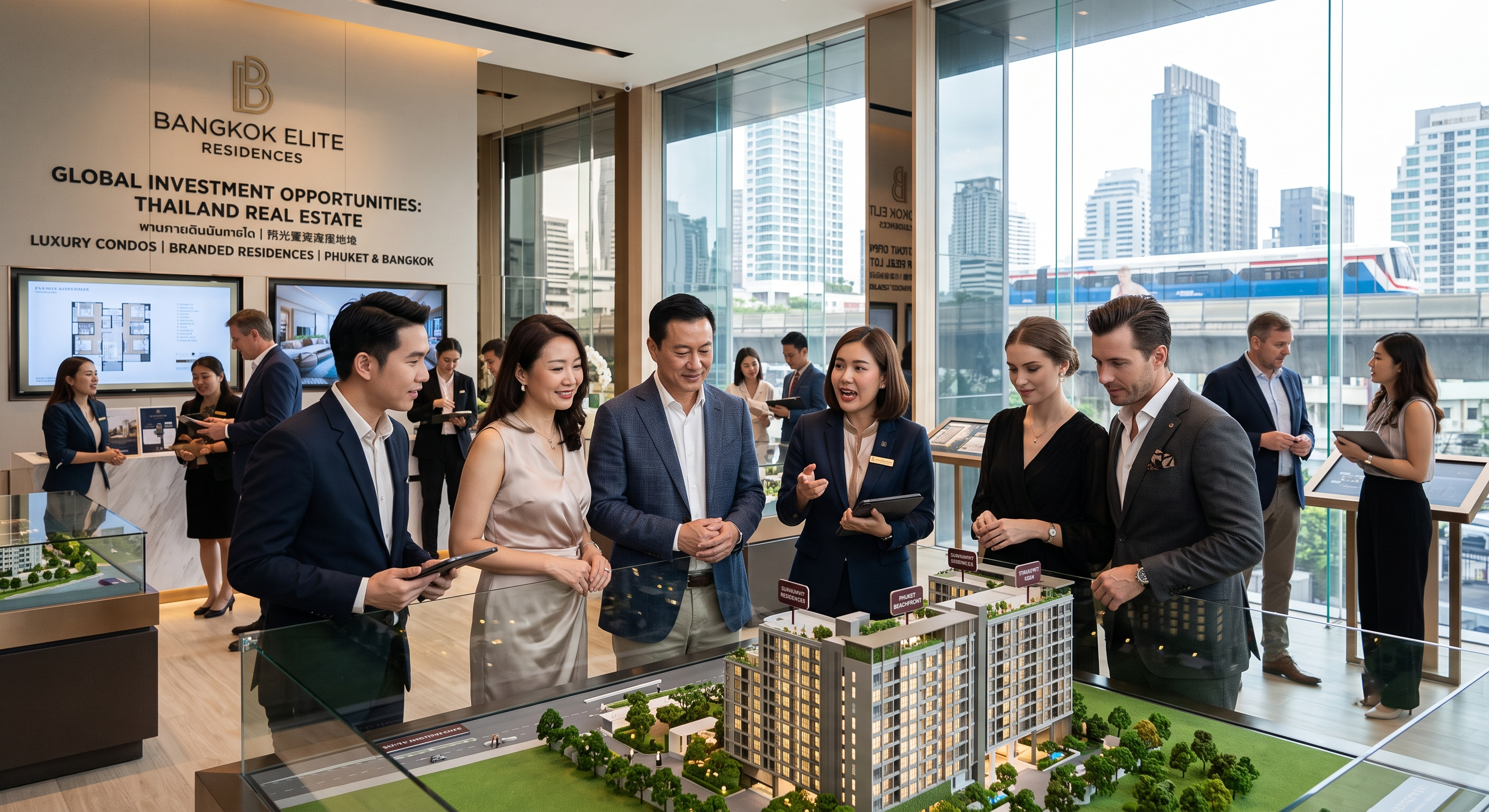
Foreign Investors Are Back — And They Mean Business
After years of pandemic-driven uncertainty, foreign investors are returning to Thailand's real estate market in force. Chinese nationals remain the dominant buyer group, snapping up luxury condominiums in Bangkok, Pattaya, and Phuket. Russian buyers have also surged, particularly in resort destinations. Data from the Department of Land confirms a significant uptick in foreign ownership transfers, signaling renewed confidence. This isn't speculative buzz — it's backed by transaction volume. Developers are responding by launching projects specifically tailored to international tastes, offering bilingual sales teams, overseas roadshows, and flexible payment structures designed to lower barriers for non-resident buyers.
Which Segments Are Heating Up Most?
The luxury and upper-mid condominium segments are seeing the strongest foreign demand. Units priced between 3–10 million THB in central Bangkok and beachfront locations in Phuket and Koh Samui are moving fast. Branded residences — a growing niche combining hospitality and real estate — are attracting ultra-high-net-worth buyers seeking rental yield plus lifestyle value. Meanwhile, the Eastern Economic Corridor (EEC) continues drawing industrial and commercial real estate interest from Japanese, Taiwanese, and South Korean investors seeking manufacturing relocation opportunities. The diversity of buyer nationalities is a healthy sign of broad-based confidence rather than dependence on a single market.
What's Driving the Recovery?
Several macro forces are converging to make Thailand attractive again. Tourism recovery has crossed pre-pandemic arrival numbers in key months, restoring confidence in hospitality-linked real estate. Thailand's relatively stable currency and lower property prices compared to Singapore, Hong Kong, or Tokyo make it a compelling value proposition. Government initiatives — including expanded long-term visa programs (LTR Visa) and relaxed ownership discussions — are sending positive signals. Geopolitical shifts are also redirecting capital flows, with buyers from politically uncertain regions viewing Thai property as a stable store of value. The combination of lifestyle appeal, price competitiveness, and policy support creates a strong tailwind.
What Should Local Buyers and Developers Do Now?
For Thai developers, this is the moment to position strategically. Projects that cater to international standards — quality finishes, strong juristic management, transparent title deeds — will command premiums. Partnering with international real estate portals and attending overseas property expos is no longer optional. For local investors and buyers, rising foreign demand in specific corridors can push up prices and rental yields in the short to medium term. Areas like Rama 9, Sukhumvit, and beachfront Phuket are prime examples. Acting ahead of the full demand wave — rather than chasing it — will yield the best returns. The foreign investment rebound is not a peak; analysts suggest it is still in its early-growth phase.